
Knee Joint Preservation Surgeries
Minimally invasive solutions to protect your natural knee
For many active people and younger patients, surgery doesn’t always mean joint replacement. In the right cases, targeted procedures can restore knee function, ease symptoms, and help delay the need for a prosthetic joint.
Dr Matthew Liptak offers a range of joint preservation surgeries, minimally invasive techniques that focus on repairing existing tissue, correcting alignment, or addressing early damage before it progresses further.
These procedures are carefully selected based on your symptoms, activity level, and imaging results.
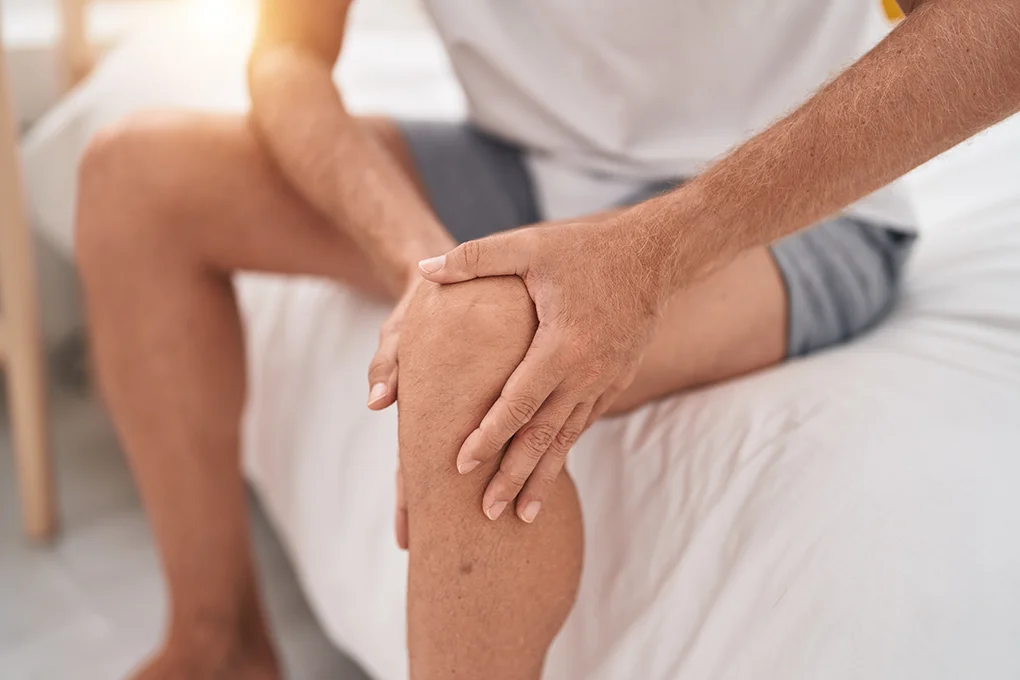
When is joint preservation recommended?
If scans show that the damage in your knee is repairable, and non-operative care hasn’t improved your symptoms, joint preservation surgery may be considered.
The goal is simple: Preserve the knee’s natural structures and maintain joint function for as long as possible.
This approach is especially valuable for patients who want to stay active, avoid premature joint replacement, or buy more time before considering major surgery.
FREE Knee Pain Assessment
BORIS is a guided self-assessment that evaluates your pain and function to help you understand your knee health and what to do next.
Procedures
Each joint is different. Dr Liptak draws on years of clinical experience to match the right procedure to each patient.
Arthroscopy
A small-camera “keyhole” surgery used to:
- Treat meniscal tears
- Smooth rough cartilage
- Remove loose fragments in the joint
- Clean out inflamed or damaged tissue
Meniscal Repair or Partial Meniscectomy
Where possible, Dr Liptak repairs the torn meniscus to preserve joint function.
If repair isn’t suitable, a partial meniscectomy removes only the damaged portion—protecting the remaining healthy tissue.
ACL Reconstruction
Using advanced graft options like the contralateral quadriceps tendon, this procedure restores knee stability after a torn anterior cruciate ligament (ACL). It’s especially important for patients returning to sport or demanding physical work.
OATS / Mosaicplasty
Involves transplanting healthy cartilage and bone to patch small areas of damage in the knee surface (focal cartilage defects).
Chondroplasty & Microfracture
These procedures help the knee form new cartilage tissue by:
- Chondroplasty – smoothing frayed cartilage
- Microfracture – creating tiny holes in the bone under damaged cartilage to stimulate healing
MPFL Reconstruction
For patients with a dislocating kneecap, this procedure rebuilds the medial patellofemoral ligament to stabilise the joint and prevent future dislocations.