
Non-Operative Management
Your first line of defence
Not every knee problem needs surgery. For many people, especially in the early stages of injury or degeneration, symptoms like pain, swelling, or instability can be effectively managed without an operation.
Dr Matthew Liptak often begins with a conservative, non-operative approach, particularly when imaging shows that the knee structure is intact and there is an opportunity to reduce symptoms with targeted care.
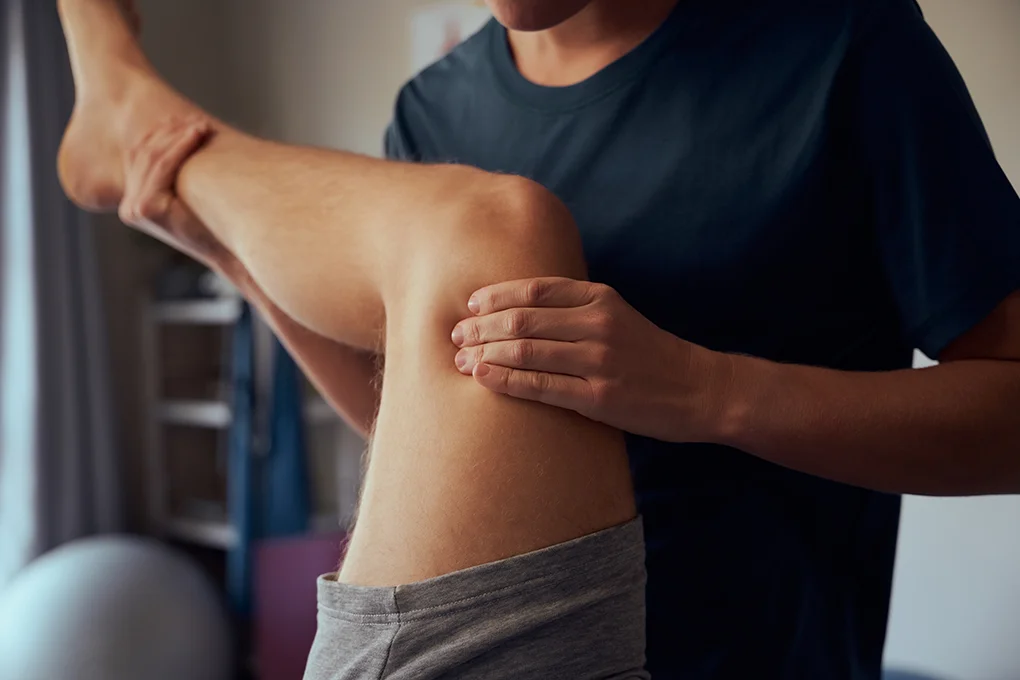
What’s Included in Non-Operative Care
Physiotherapy
A structured rehabilitation plan forms the backbone of conservative management. Dr Liptak works closely with experienced physiotherapists who guide patients through exercises:
- Improve strength and joint control
- Retrain gait and movement patterns
- Restore range of motion and mobility
This process is tailored to your baseline function and progression, helping you rebuild confidence in your knee’s movement.
Medications and Analgesia
Short-term use of anti-inflammatory medications or pain relievers can help manage symptoms. These are prescribed and coordinated in consultation with your general practitioner, ensuring safe and effective use as part of your broader care strategy.
Injections
In some cases, image-guided injections can offer targeted relief:
- Cortisone: A potent anti-inflammatory used to calm joint irritation during flare-ups
- Cingal: A combination of hyaluronic acid (HA) and steroid that both cushions the joint and reduces inflammation
These injections are used selectively based on clinical findings and individual response.
FREE Knee Pain Assessment
BORIS is a guided self-assessment that evaluates your pain and function to help you understand your knee health and what to do next.
Supplements
Some patients benefit from evidence-informed supplements, including:
- Glucosamine
- Turmeric
- Collagen-based products
These are considered on a case-by-case basis, with clear guidance provided on their potential benefits and limitations.
Lifestyle Advice
Modifications to daily activity can significantly reduce load on the knee joint and support healing. Dr Liptak may recommend:
- Low-impact exercise options such as swimming, cycling, or Pilates
- Weight management strategies
- Adjustments to high-stress activities that may be contributing to your symptoms
- This part of care is designed not to limit your lifestyle, but to support it in a way that protects your knees.
Taking the Right First Step
Non-operative management is often the best place to start, offering a structured, supportive pathway to regain control of your symptoms without the need for surgery. If your condition progresses or imaging shows changes, Dr Liptak will reassess and discuss surgical options with you in detail.